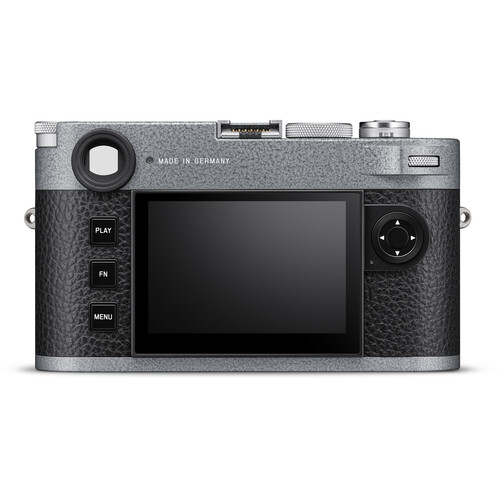
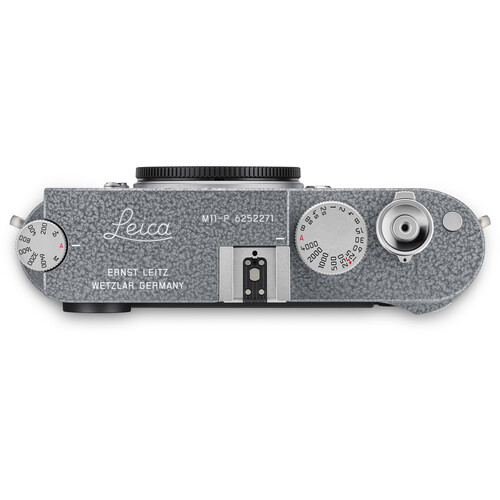
Leica cameras have been on the front lines of history. The M-series has long been favored by photojournalists and used to capture iconic imagery across the decades. Continuing the tradition of the series is the Leica M11-P. This model takes the contemporary tech and classic design first seen in the M11 and makes some key improvements. It also becomes the world's first camera to feature Content Authenticity Initiative technology with the aim of bringing authenticity back to digital storytelling.
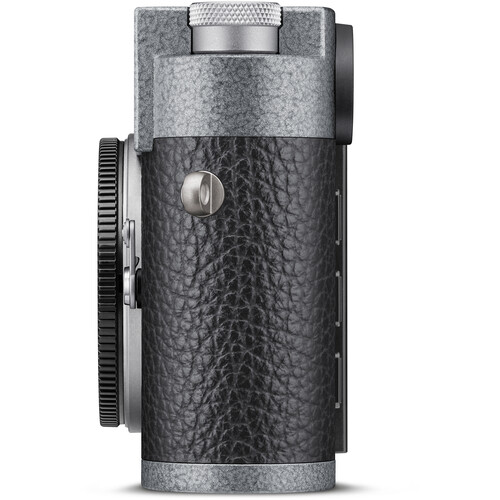
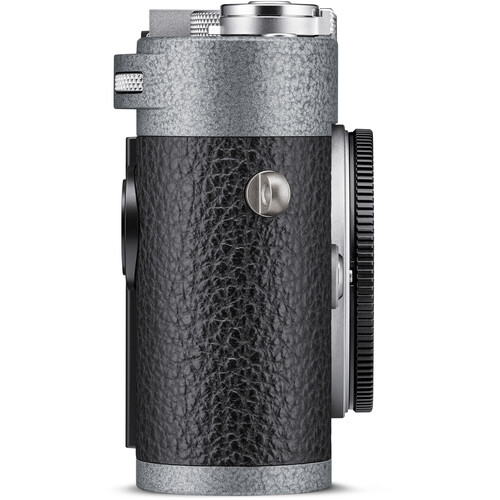
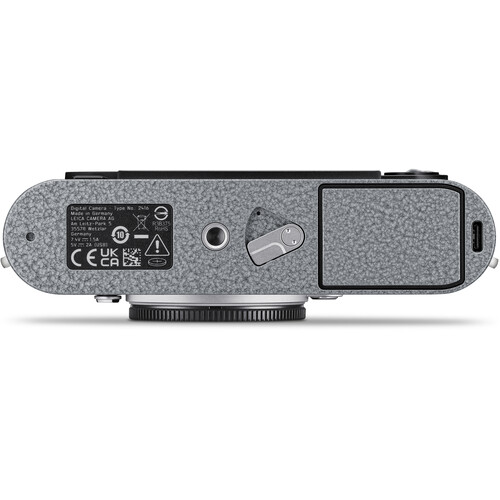
This special edition of the M11-P features a unique Hammertone finish on the top and base plates of the camera, which have been newly rounded for a classic look. Hand-applied by Leica craftspeople, the Hammertone finish produces a speckled texture that makes each camera's surface unique. The control elements are made of solid brass with classic cross knurling, while a silver shutter-release plate and white engravings further contribute to the camera's retro styling.
The M11-P is the world's first camera to feature Content Authenticity Initiative (CAI) technology. The Content Authenticity Initiative (CAI) is a collaborative effort initiated by Adobe in partnership with various other organizations, including The New York Times and Leica. Its primary goal is to develop a standard for digital content attribution.
In the M11-P, this technology shows up as Leica Content Credentials. By using a secure processing chip, the camera will encrypt image metadata at the point of capture. This information can then be independently verified and even appended to when using compatible applications, such as Adobe Photoshop. Viewers can then verify the provenance of the image and confirm the veracity of the image. The aim is to give viewers more confidence in the images they are looking at and provide creators with another way to maintain credits.
Featuring the high-resolution design seen in the M11, the M11-P's 60MP full-frame CMOS sensor also features a back-illuminated (BSI) design that offers improved noise performance and faster readout speeds. The higher resolution suits more detail-oriented applications, like landscape and architectural subjects, and the noise-reduction benefits of the BSI design improve clarity and color accuracy when working in low-light conditions with higher ISOs.
Besides the 60MP resolution and BSI design, another first for M cameras is Triple Resolution Technology. This unique pixel binning process allows photographers to select 60MP, 36MP, or 18MP output, with each resolution making use of the full sensor area and providing rich 14-bit color. By pixel binning, rather than cropping, the lower resolutions have improved dynamic range and noise levels.
The Maestro III processor contributes to the faster processing and Triple Resolution Technology of the M11-P, as well as helps achieve a wider sensitivity range than in past M cameras. An ISO 64-50000 range is now available for greater detail, quality, and natural color rendering at lower ISO settings. The Maestro III also enables continuous shooting at up to 4.5 fps and facilitates fast file saving for an intuitive shooting experience.