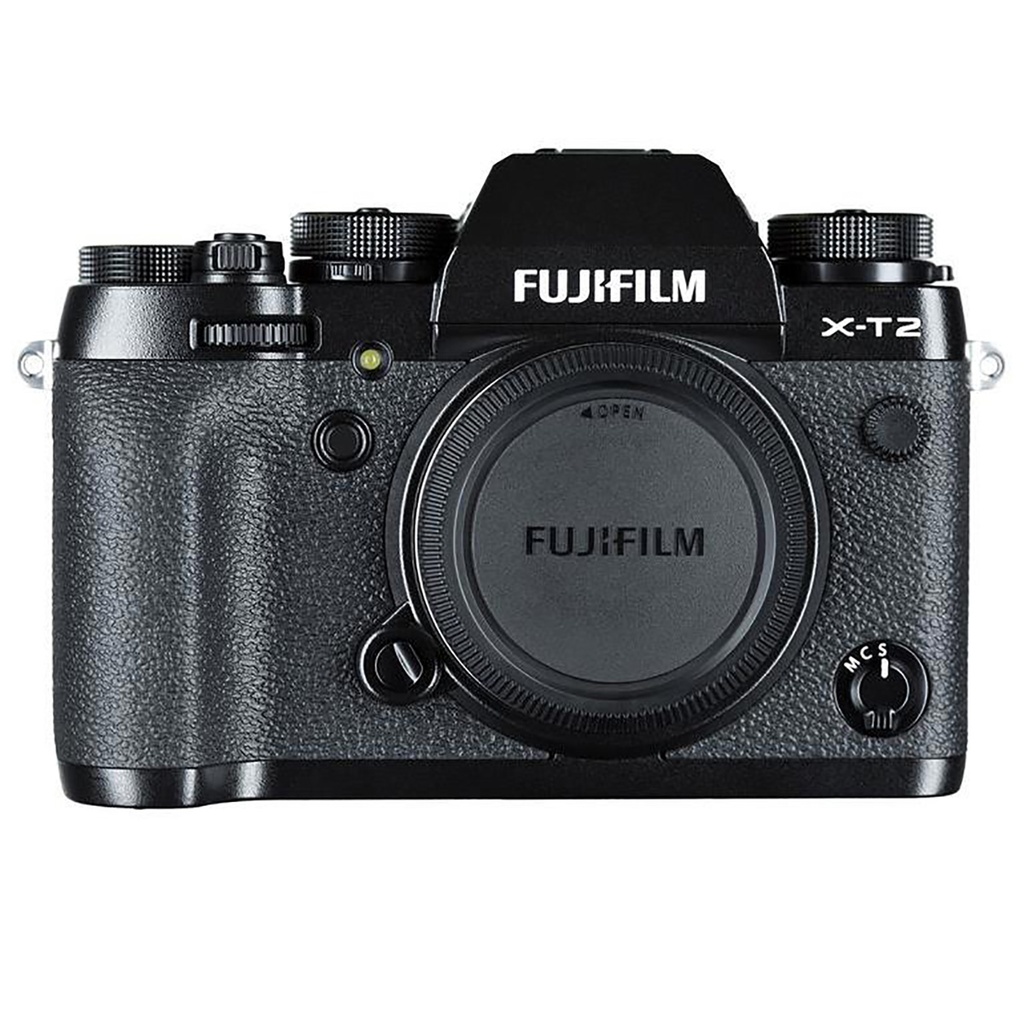
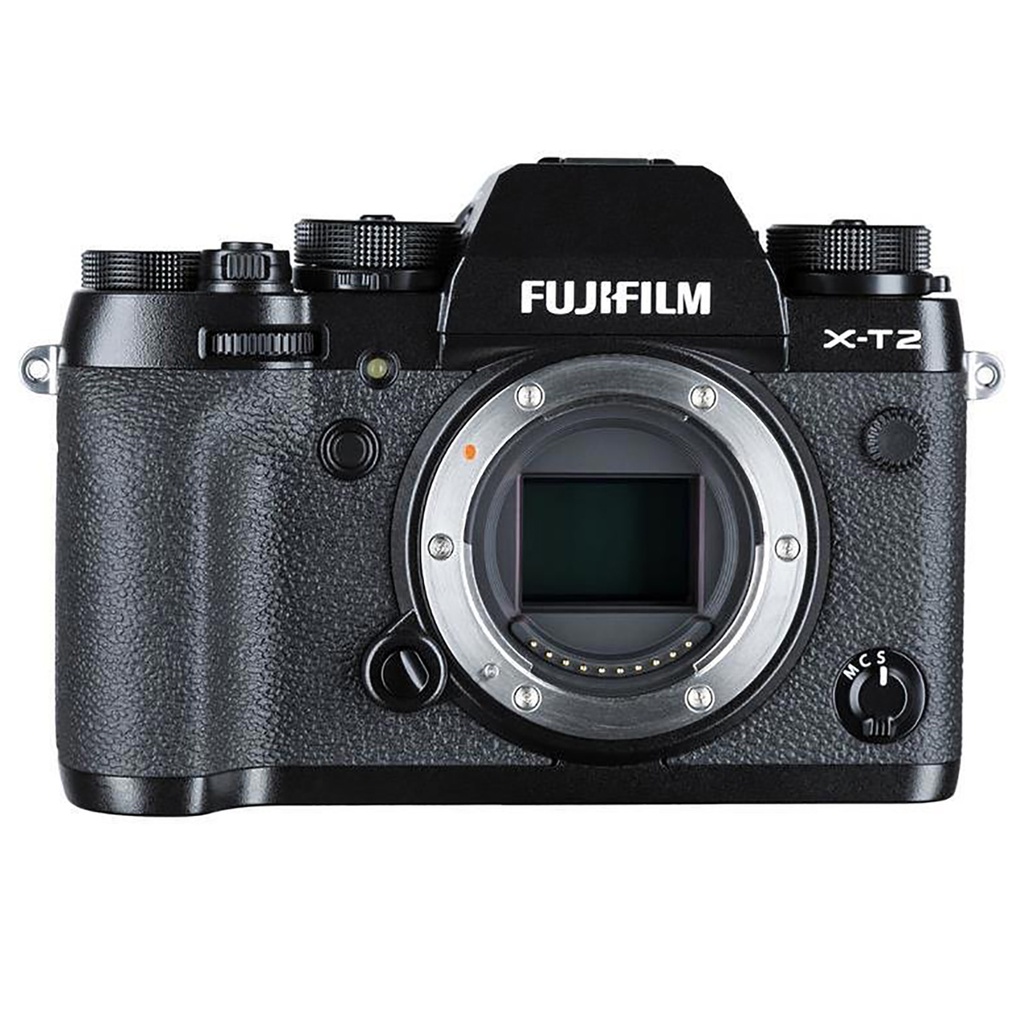
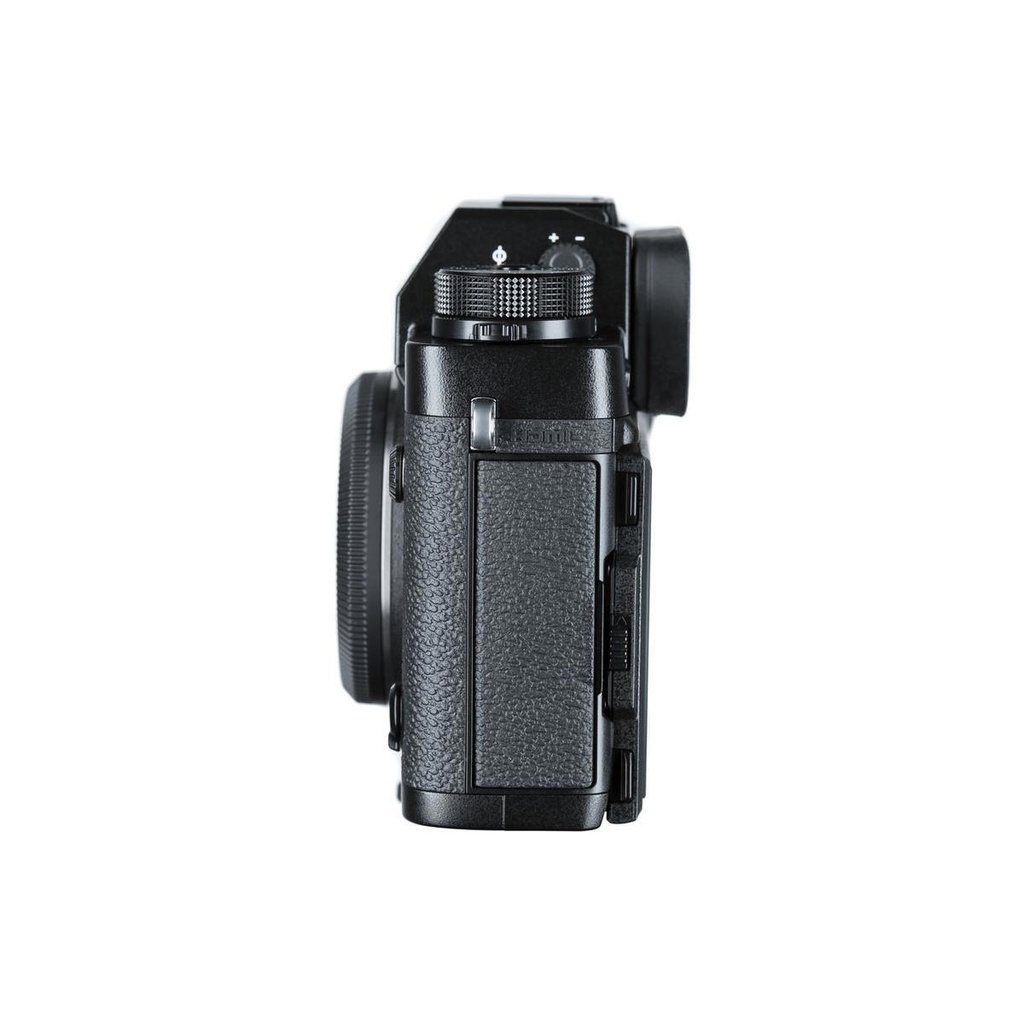
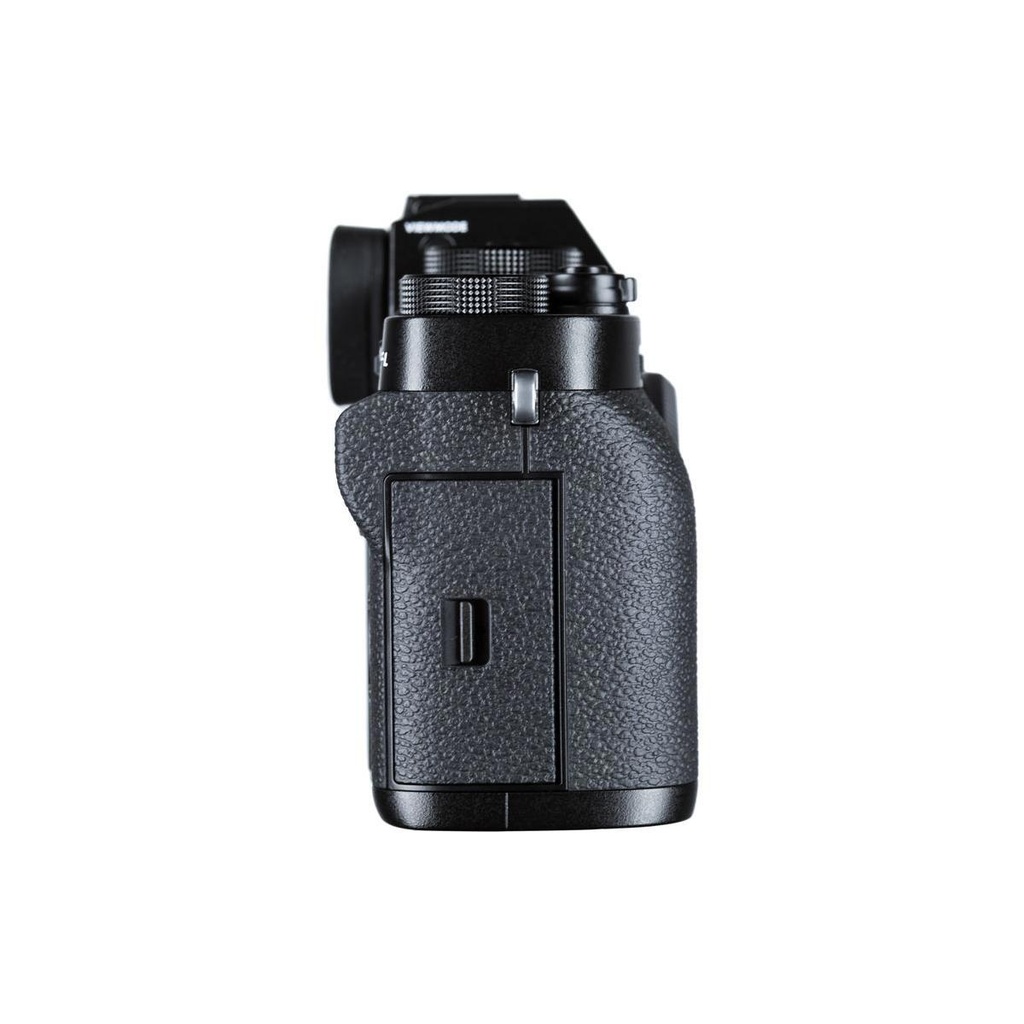
Offering a more conventional form factor and packing in UHD
4K video recording, FUJIFILM's X-T2 Mirrorless Digital Camera certainly
aims to fill the needs of many working professionals. Equipped with a 24.3MP
APS-C X-Trans CMOS III image sensor and the X-Processor Pro Engine, users will
be able to capture finely detailed imagery quickly and with low noise at
sensitivities up to ISO 51200. The powerful combination permits rapid image
capture at up to 8 fps with full AF tracking or at up to 14 fps using the
silent electronic shutter. In terms of AF, the X-T2 uses an Intelligent Hybrid
system with 325 points that ensure accurate, fast tracking of subjects in all
modes. For video, the X-T2 offers
internal UHD 4K video as well as an 8-bit 4:2:2 HDMI output. The internal
recording offers 100 Mbps bitrate for capturing fine details with ease. Along
with this an F-Log Gamma setting will be available for capturing a flat picture
best used in serious grading applications. Fuji's array of Film Simulations and
Grain Effects can also be used here, for both photo and video shoots.
Improved handling is a key upgrade in the X-T2,
incorporating a larger grip, locking dials, raised buttons, and more to make
operation smoother. The weather-sealed body also sports a 0.5" 0.77x
2.36m-dot OLED EVF with a larger eyecup for comfortable composition and a base
refresh rate of 60 fps, which can be boosted to 100 fps. There is also a
3.0" 1.04m-dot three-way tilting LCD screen for alternative viewing
options. This screen has a unique tilt that permits shooting at odd angles,
including in the portrait orientation. Additionally, it has a focus lever
joystick that allows for rapidly adjusting and changing the selected AF point
or area. Utilizing FUJIFILM's unique,
randomized pixel array, the 24.3MP APS-C X-Trans CMOS III sensor affords a high
degree of image quality and sharpness due to the omission of an optical
low-pass filter. Versus conventional pixel patterns, the X-Trans design more
closely mimics the organic nature of film in order to produce nuanced colours
and smooth tonal transitions, while also reducing moiré and aliasing.
When paired with the X-Processor Pro, the sensor is also capable of producing
clean image quality with reduced noise values, along with a native sensitivity
range up to ISO 12800 that can be expanded to ISO 51200. Aside from benefitting the low-light
performance, the X-Processor Pro also contributes to fast performance
throughout the camera system, including a start-up time of 0.3 seconds, shutter
lag time of 0.05 seconds, shooting interval time of 0.19 seconds, and AF speeds
of up to 0.08 seconds. Coupled with the on-sensor phase-detection AF, up to 8
fps continuous shooting is also possible with full-time motion predictive AF
for tracking fast-moving subjects while shooting. The ability to record
compressed raw files also helps to expedite file transferring for longer
continuous burst shooting, and both a fast top focal plane shutter speed of
1/8000 sec and a flash sync speed of 1/250 sec further contribute to shooting
versatility.
Beyond stills shooting, the X-T2 is the first FUJIFILM
mirrorless camera to offer UHD 4K video recording options. It records this ultra-high
resolution 3840 x 2160 footage at an excellent 100 Mbps bitrate and with a
minor 1.17x crop of the sensor. It also uses a 5120 x 2880 sample of the sensor
that is 1.8x more resolution than the UHD 4K frame that is created, ensuring
maximum resolution and detail is provided. Footage can be recorded internally
for up to about 10 minutes, though with the addition of the optional Vertical
Power Booster Grip users will be able to record for up to 30 minutes with ease.
Also, the camera features a 3.5mm microphone jack for more advanced audio
solutions. Users looking for a headphone jack will find one on the optional
Vertical Power Booster Grip.
Full HD recording also benefits from the X-T2's video
prowess, taking a 3000 x 1687 input to create finely detailed 1920 x 1080
footage at 100 Mbps. A variety of frame rates are available, including 60p,
50p, 30p, 25p, 24p, and True 24.00 for Full HD recording and 30p, 25p, 24p, and
True 24.00 for UHD 4K. Along with the
vastly enhanced recording capabilities, the X-T2 offers an F-Log Gamma setting
that provides a flat picture for use in advanced colour grading software during
editing. This should maximize the potential dynamic range in difficult scenes.
Image adjustments can be made as well to highlight tone, shadow tone, colour,
and sharpness. Additionally, HDMI output is supported with an 8-bit 4:2:2
signal and users will be able to use Film Simulation effects to capture unique
video.
There are two distinct ways to monitor and compose images on
the X-T2, an electronic viewfinder and a rear LCD screen, depending on your needs.
The 0.5" EVF offers a high 0.77x magnification along with a 2.36m-dot
resolution that ensures crisp imagery. Along with these features, the EVF uses
an OLED display that provides deep blacks and rich, vivid colours. To ensure a
clear view, the EVF offers a base refresh rate of 60 fps which can then be
boosted to 100 fps for moments of intense action. The rear 3.0" LCD screen received its
own upgrades, especially with the introduction of a three-way tilt mechanism.
This allows photographers and videographers to work in a variety of odd angles,
including portrait orientation shooting. The screen features a high 1.04m-dot
resolution for crystal clear viewing.
Blending both phase- and contrast-detection focusing
methods, the X-T2 can acquire focus both quickly and accurately. The entire
system is comprised of 325 points, of which there are numerous phase-detection
points for faster performance that is beneficial to photographing moving
subjects. Approximately 50% of the width and 75% of the height of the imaging
area is covered by phase-detection points, too, to offer greater compositional
freedom without sacrificing fast autofocus performance. Much of the frame is
then also covered by an apt contrast-detection focusing system that has been
quickened by the camera's refined processing power for more versatile control.
For refined manual focusing control, Focus Peaking is available to highlight
lines of contrast in the scene to more objectively determine sharp focus. Continuous AF modes have been seriously upgraded, as the X-T2 now offers
customization of a variety of settings in order to dial in the performance for
your specific subject matter. This includes changing the sensitivity, speed,
and more to ensure that just what you want to capture is in focus.
Taking advantage of FUJIFILM's vast history in traditional
film-based photography, the X-T2 integrates several Film Simulation modes to
mimic the look and feel of some of FUJIFILM's classic film types. For
monochrome shooting, the Acros mode offers smooth tones, deep blacks, and fine
detail reMiniscent of the Neopan 100 Acros film type. A refined Classic Chrome
mode is designed to deliver muted tones and a deep color reproduction, similar
to that of a dated slide film. Pulling from their more contemporary line of
transparency films, Provia offers natural-looking tones for everyday shooting,
Velvia produces a more dramatic and rich tonality with deeper colour
saturation, and Astia gives less contrast for a softer depiction of skin tones.
Mimicking their negative films, Pro Neg. Std. gives smooth image tones that are
suitable for accurate colour renditions, while Pro Neg. Hi produces a more
dramatic feel with the ability to draw colour out of a variety of lighting
conditions.